

 Feed back
 Privacy Policy
Soul's Compass-
The year 2026 is set to be a pivotal period marked by significant astrological and lunar events that will influence personal, spiritual, and cultural life across India. As celestial bodies align in unique configurations, the 2026 astrology landscape offers valuable insights into planetary movements, moon phases, and religious observances. For millions of Indians who follow traditional practices rooted in Vedic astrology and panchang calculations, understanding these cosmic rhythms is essential for planning festivals, rituals, and important life decisions.
Aligning daily activities with celestial cycles has long been a cornerstone of Indian culture. From determining auspicious wedding dates to observing fasts during specific lunar phases, the integration of astronomy and spirituality remains deeply embedded in societal norms. The 2026 calendar reflects this harmony between science and tradition, offering precise data on planetary transits, eclipses, and lunar events that impact both individual horoscopes and collective experiences.
This guide combines scientific accuracy with traditional relevance, presenting verified information tailored for Indian audiences. Drawing from authoritative astronomical sources such as NASA’s eclipse predictions and the Indian Astronomical Observatory’s ephemeris data, alongside time-tested principles of Hindu astrology, it ensures reliability and cultural authenticity. Whether you're tracking lunar calendar astrology for ritual timing or preparing for major festivals, this comprehensive resource equips you with the knowledge needed to navigate 2026 wisely.
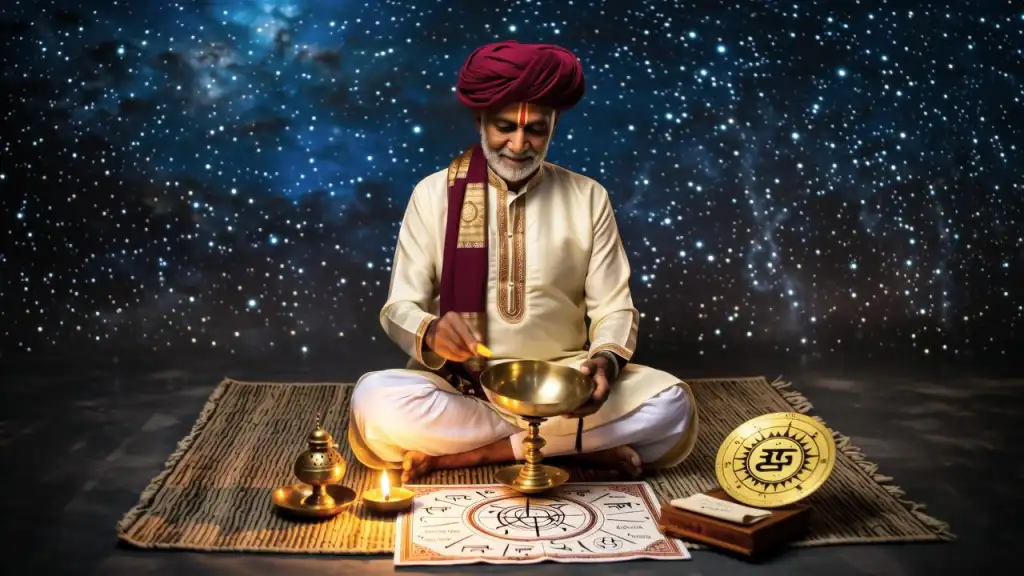
The foundation of 2026 lunar calendar astrology lies in the dynamic movement of planets through zodiac signs, each transition influencing energy patterns and human affairs. Key planetary transits in 2026 will shape emotional, professional, and spiritual trajectories for all twelve zodiac signs.
Jupiter, the planet of wisdom and expansion, enters Gemini on June 12, 2026, after spending over a year in Taurus. This shift enhances communication, learning, and intellectual pursuits. For individuals with strong air or fire signs (Gemini, Libra, Aquarius, Aries, Leo, Sagittarius), this transit brings growth opportunities in education, travel, and publishing. Saturn continues its journey through Pisces until March 29, 2026, then retrogrades back into Aquarius—highlighting themes of duty, discipline, and karmic responsibilities, particularly around social contributions and long-term planning.
Mercury goes retrograde three times in 2026:
During these periods, miscommunications, delays in travel, and technical glitches are common. It is advisable to avoid signing contracts or launching new ventures. Instead, use these windows for introspection, revising plans, and reconnecting with old contacts.
Venus retrogrades from September 4 to October 1, 2026, while in Leo and Cancer. This affects relationships, financial decisions, and aesthetic choices. Couples may experience reevaluation of commitments, while business deals involving luxury goods or creative industries could face postponements.
Mars retrograde occurs from December 20, 2025, to February 20, 2026, in Gemini and Taurus—extending into early 2026. This prolonged phase can trigger frustration, impatience, and conflicts if not managed mindfully. However, it also provides an opportunity to reassess goals, especially related to career ambitions and personal desires.
Jupiter’s presence in Gemini supports dharma (righteous living) through truthful expression, while Saturn’s dual placement emphasizes balancing personal aspirations with societal duties. Together, these influences encourage a year of reflection, recalibration, and intentional action grounded in ethical values.
Understanding the 2026 moon phases calendar is crucial for adhering to Hindu religious practices, which are closely tied to lunar cycles. Each month begins with the New Moon (Amavasya) and culminates in the Full Moon (Purnima), marking spiritually potent days for fasting, prayer, and ancestral rites.
| Month | Amavasya (New Moon) | Purnima (Full Moon) |
|---|---|---|
| January | Jan 13 | Jan 28 |
| February | Feb 11 | Feb 27 |
| March | Mar 13 | Mar 28 |
| April | Apr 11 | Apr 27 |
| May | May 11 | May 27 |
| June | Jun 9 | Jun 25 |
| July | Jul 9 | Jul 24 |
| August | Aug 7 | Aug 23 |
| September | Sep 5 | Sep 21 |
| October | Oct 5 | Oct 21 |
| November | Nov 3 | Nov 19 |
| December | Dec 3 | Dec 19 |
Each Purnima Amavasya 2026 holds distinct significance. For example:
Amavasya days are considered powerful for performing Pitru Tarpan and Shraddha rituals, especially during Pitru Paksha, which falls from September 17 to October 1, 2026. According to the *Drik Panchang*, performing ancestral rites during this fortnight helps liberate departed souls and brings peace to the family lineage.
Spiritually, waxing moons (Shukla Paksha) are favorable for starting new ventures, while waning moons (Krishna Paksha) support detoxification, letting go, and resolving past karmas. Fasting on Ekadashi (11th lunar day) twice a month purifies body and mind—key dates include Vaikuntha Ekadashi (January 2 & 17) and Nirjala Ekadashi (June 10).
Tracking 2026 Hindu calendar dates enables accurate celebration of festivals and observance of vrats (vows). These dates vary slightly by region due to differences in lunar sighting and local traditions (e.g., amanta vs. purnimanta systems).
Major Hindu festivals 2026 include:
Regional variations exist—for instance, Tamil Nadu may celebrate Diwali a day earlier based on local almanacs, while Gujarat follows North Indian timings. Similarly, Ganesh Chaturthi dates depend on Chaturthi tithi visibility in Maharashtra.
Inauspicious periods must also be noted:
Auspicious dates (**muhurtats**) like Vijayadashami (Oct 12) and Akshaya Tritiya (May 10) are ideal for investments, property purchases, and marriages.
The 2026 solar eclipse calendar includes two major events, both visible partially in parts of India:
For the Annular Solar Eclipse on February 17, 2026:
For the Total Solar Eclipse on August 12, 2026:
Astrologically, Surya Grahan (solar eclipse) is considered highly disruptive. It amplifies negative energies and can affect mental clarity and decision-making. Traditional guidelines recommend:
Pregnant women are traditionally advised to stay indoors and avoid sharp objects. While modern science does not support health risks beyond eye safety, many still follow customs to maintain spiritual purity.
Effectively integrating the 2026 calendar into daily life requires combining lunar, solar, and Hindu calendrical data for holistic planning. By aligning personal goals with lunar and solar cycles, individuals can optimize timing for career moves, health routines, and spiritual growth.
Practical tips include:
While celestial influences provide insight, free will and conscious effort remain central. Use this year to deepen self-awareness, honor traditions, and act with intention.

By leveraging accurate tools and maintaining cultural sensitivity, one can navigate 2026 with clarity and purpose.
Disclaimer: The content related to 2026 Astrology provided in this article is for informational purposes only and should not be considered as professional advice in astrology, religion, or healthcare. Readers are encouraged to make informed decisions based on their personal circumstances and consult certified experts when necessary. The author and publisher disclaim any liability arising from the use of this information.
Arjun Mehta
|
2025.11.26


