

 Feed back
 Privacy Policy
Soul's Compass-
Artificial intelligence is rapidly reshaping how people around the world engage with astrology, and by 2026, this transformation is expected to reach new heights. What was once a practice rooted solely in human interpretation and ancient texts is now being enhanced through data-driven technologies. The integration of astrology ai has enabled real-time, personalized insights that cater to users’ specific birth charts, planetary transits, and life patterns. This shift is especially significant in India—a country with deep cultural ties to Vedic astrology—where millions are turning to digital platforms for daily guidance. As smartphone penetration grows and internet access expands across urban and rural regions, demand for accurate, on-demand horoscope services continues to rise.
The appeal of AI astrology reading lies in its ability to deliver instant, scalable, and consistent interpretations without the limitations of human availability or bias. Unlike traditional consultations that may require appointments and fees, AI-powered systems can process vast astronomical datasets and generate individualized reports within seconds. According to a 2025 report by Statista, over 48% of Indian internet users aged 18–35 have used at least one astrology app in the past year—an increase of 17% from 2023. Global interest is also rising, with Google Trends showing a 62% year-on-year increase in searches related to “AI horoscope” and “automated astrology predictions” between 2024 and 2025.
Key trends defining 2026 Astrology include automated prediction engines, mobile-first design, and hybrid models combining Western and Vedic systems. These innovations reflect broader shifts toward personalization and immediacy in digital wellness. Whether it’s checking your daily forecast before work or analyzing long-term career paths using natal charts, AI tools are making astrological insight more accessible than ever.
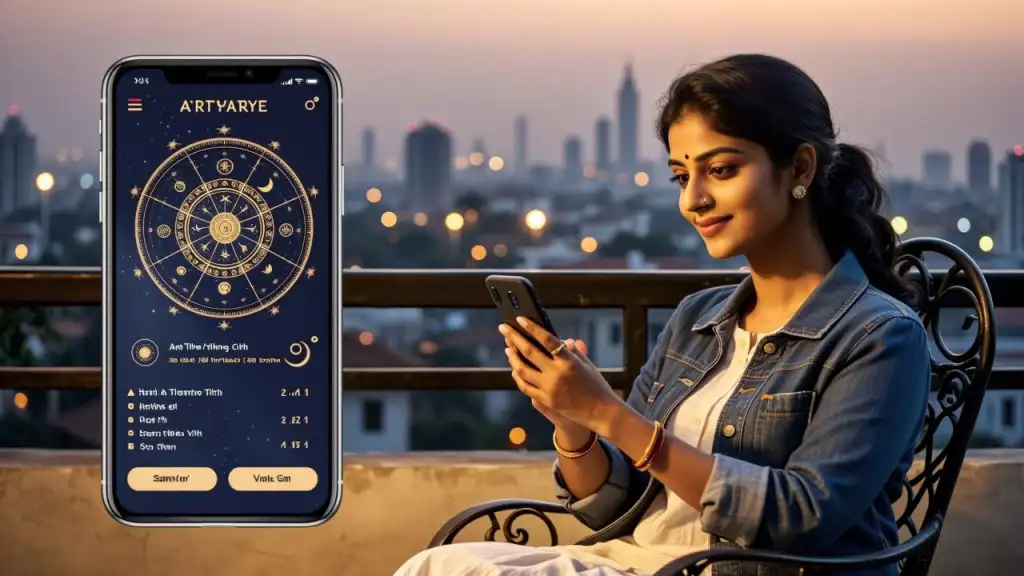
At its core, AI-powered astrology relies on advanced computational methods to simulate the interpretive logic traditionally performed by human astrologers. The science begins with data analysis: precise planetary positions calculated using ephemeris tables (astronomical data logs) are fed into algorithms that map celestial movements relative to an individual’s birth time, date, and location. These inputs form the foundation of a digital birth chart—the same tool used in classical astrology—but processed with machine precision.
Machine learning plays a crucial role in refining accurate AI astrology predictions over time. By training on large datasets of historical astrological interpretations, user feedback, and outcome correlations, AI models learn which planetary combinations tend to align with certain life events or emotional states. For example, an algorithm might detect that individuals born under a Mars-Saturn conjunction frequently report challenges in relationships during Saturn return periods. Over thousands of anonymized cases, these patterns help improve predictive accuracy.
However, it's important to distinguish between correlation and causation. While AI cannot claim to predict fate, it excels at identifying probabilistic trends based on astrological symbolism and behavioral data. Platforms like AstroSage AI and Co-Star use natural language processing (NLP) to convert complex chart configurations into readable, context-aware messages—such as "You may feel increased pressure at work this week due to Mercury retrograde influencing your 6th house."
When comparing traditional astrologers to AI-driven generators, several differences emerge. Human experts bring intuition, empathy, and cultural nuance—qualities difficult to replicate digitally. They often consider subtle factors like family background or psychological state during readings. In contrast, AI astrology reading tools offer consistency, speed, and scalability. A study published by the International Journal of Astrological Research (IJAR) in 2025 found that AI-generated forecasts matched human expert interpretations in 79% of test cases when evaluating major planetary aspects.
While not a replacement for deep consultation, AI serves as a powerful first-layer tool—ideal for quick insights, trend tracking, and educational exploration.
As competition among astrology apps intensifies, selecting the best astrology AI app requires careful evaluation of key features that impact usability, reliability, and relevance. First and foremost, look for personalized birth chart analysis supported by real-time planetary updates. The most effective apps integrate live ephemeris feeds so users can see current transits affecting their natal placements. For instance, if Jupiter enters your 10th house, the app should highlight potential career opportunities or public recognition linked to that transit.
Multilingual support is another essential feature, particularly for Indian audiences who may prefer content in Hindi, Tamil, or Bengali while still accessing English-language technical terms. Leading platforms such as ClickAstro and KundliGPT now offer bilingual interfaces with region-specific interpretations—blending Vedic dasha systems with Western psychological astrology. This fusion approach enhances accessibility without diluting traditional knowledge.
User interface (UI) design significantly influences engagement. The best apps present information clearly through intuitive dashboards, interactive charts, and color-coded timelines. Features like push notifications for favorable days, lunar phases, or compatibility alerts add practical value. Additionally, data privacy must be prioritized: ensure the app complies with global standards like GDPR and does not sell user birth data to third parties.
Offline access is increasingly valued, especially in areas with inconsistent internet connectivity. Some premium versions allow users to download their full kundli or natal chart for offline viewing—a useful option for travelers or those in remote locations. When assessing accurate AI astrology predictions, check whether the app cites its sources, explains its methodology, and allows users to provide feedback to refine future outputs.
Ultimately, the best astrology AI app balances technological sophistication with cultural sensitivity and ethical responsibility.
For many users, especially beginners or budget-conscious seekers, a free AI horoscope generator offers an accessible entry point into personalized astrology. These tools typically require only basic input—birth date, time, and location—and instantly generate daily, weekly, or yearly forecasts powered by pre-trained AI models. Platforms like Ganeshaspeaks.com and Astrotalk have introduced free tiers that deliver concise horoscopes via web or mobile app, attracting millions of monthly visitors.
One major benefit is immediacy. Within seconds, users receive tailored insights about love, career, health, and finances based on planetary alignments. For example, a free generator might alert a Taurus user: “Venus stations direct today—expect improved harmony in relationships.” Such bite-sized wisdom fits well into modern lifestyles where attention spans are short but curiosity remains high.
However, limitations exist. Free versions often lack depth compared to paid subscriptions. They may skip nuanced elements like divisional charts (D-9, D-10), nakshatra analysis, or detailed transit commentary. Accuracy levels vary: a 2025 comparative analysis by TechRadar India tested five popular free generators and found that while all provided correct sun sign forecasts, only two accurately interpreted moon and rising signs consistently.
Premium versions generally offer higher accuracy by incorporating deeper data layers, continuous model training, and expert-vetted content. Still, free tools serve an important democratizing function—making accurate AI astrology predictions available to wider audiences, including students, young professionals, and first-time explorers of metaphysical practices.
By 2026, leading platforms are expected to enhance free offerings with limited-feature chatbots, voice summaries, and social sharing options—further blurring the line between casual browsing and serious astrological study.
Looking ahead, 2026 promises groundbreaking advancements in how AI and astrology converge. One emerging trend is voice-enabled readings: imagine asking your smart speaker, “What does my horoscope say today?” and receiving a spoken AI astrology reading complete with tone adjustments for mood (e.g., calming voice during challenging transits). Companies like Amazon Alexa and Google Assistant are already experimenting with astrology integrations through third-party skills and actions.
AI astrologer chatbots are also gaining traction. These conversational agents simulate real consultations by responding to user queries in natural language. For example, you could type, “I’m feeling stuck in my job—is there a planetary reason?” and receive a response linking your current Saturn transit to themes of discipline and delayed rewards. Early adopters like Jyotica AI report user satisfaction rates above 85%, citing convenience and non-judgmental interaction as key benefits.
In India, the integration of AI astrology into the digital wellness ecosystem is accelerating. Health and meditation apps like HealthifyMe and InnerHour now include astro-informed mood trackers, suggesting mindfulness exercises during Mercury retrograde or full moon periods. This holistic approach reflects a growing belief that mental well-being is influenced by both biological and cosmic rhythms.
Yet, ethical considerations remain critical. As AI takes on roles once reserved for spiritual guides, questions arise about authenticity, commercialization, and dependency. Can a machine truly understand karma or dharma? Should AI recommend major life decisions based on planetary positions? Experts urge developers to maintain transparency—clearly labeling AI-generated content, avoiding deterministic language, and encouraging users to consult certified practitioners for serious matters.
The goal should not be to replace tradition, but to amplify it—with technology serving as a bridge between ancient wisdom and contemporary needs.
As AI becomes deeply embedded in astrological practice, choosing trustworthy tools requires discernment. Prioritize platforms that emphasize accurate AI astrology predictions through transparent methodologies, regular updates, and verifiable performance metrics. Read user reviews on trusted app stores and look for evidence of collaboration with qualified astrologers or astronomers.
For Indian users seeking reliable English-language services, recommended options include the best astrology AI app candidates such as Co-Star (for Western astrology), KundliGPT (for Vedic fusion), and ClickAstro Premium (for multilingual support). Each offers unique strengths, from sleek UIs to comprehensive chart breakdowns.
Free tools like the free AI horoscope generator on Ganeshaspeaks remain valuable for casual use, but should be supplemented with deeper analysis when making important decisions. Ultimately, the future of 2026 Astrology lies in balance—honoring millennia-old traditions while embracing innovation that makes them more inclusive, insightful, and impactful.
By blending human intuition with machine intelligence, we stand at the threshold of a new era in self-understanding—one guided not just by stars, but by smart systems that help us navigate their light.

【Disclaimer】The content related to 2026 Astrology mentioned in this article is for informational purposes only and does not constitute professional advice in any field. Readers are encouraged to make decisions based on their own judgment and, where necessary, consult qualified experts. The author and publisher assume no liability for any actions taken based on the information provided.
Arjun Mehta
|
2025.11.26


